NEEDО · IMPORT READINESS
Import Compliance Checklist: What to Confirm Before Ordering a Product
A supplier can quote a product correctly and the order can still be a poor decision if the goods cannot be imported, sold or cleared under the assumptions you made. Before committing money, confirm the product identity, origin, destination and intended use, then check the tariff, product-specific controls, marking and documentation that apply to that route. This is a research checklist, not a universal legal ruling: requirements depend on the product, countries and transaction, and uncertain classifications or regulated goods need competent confirmation.
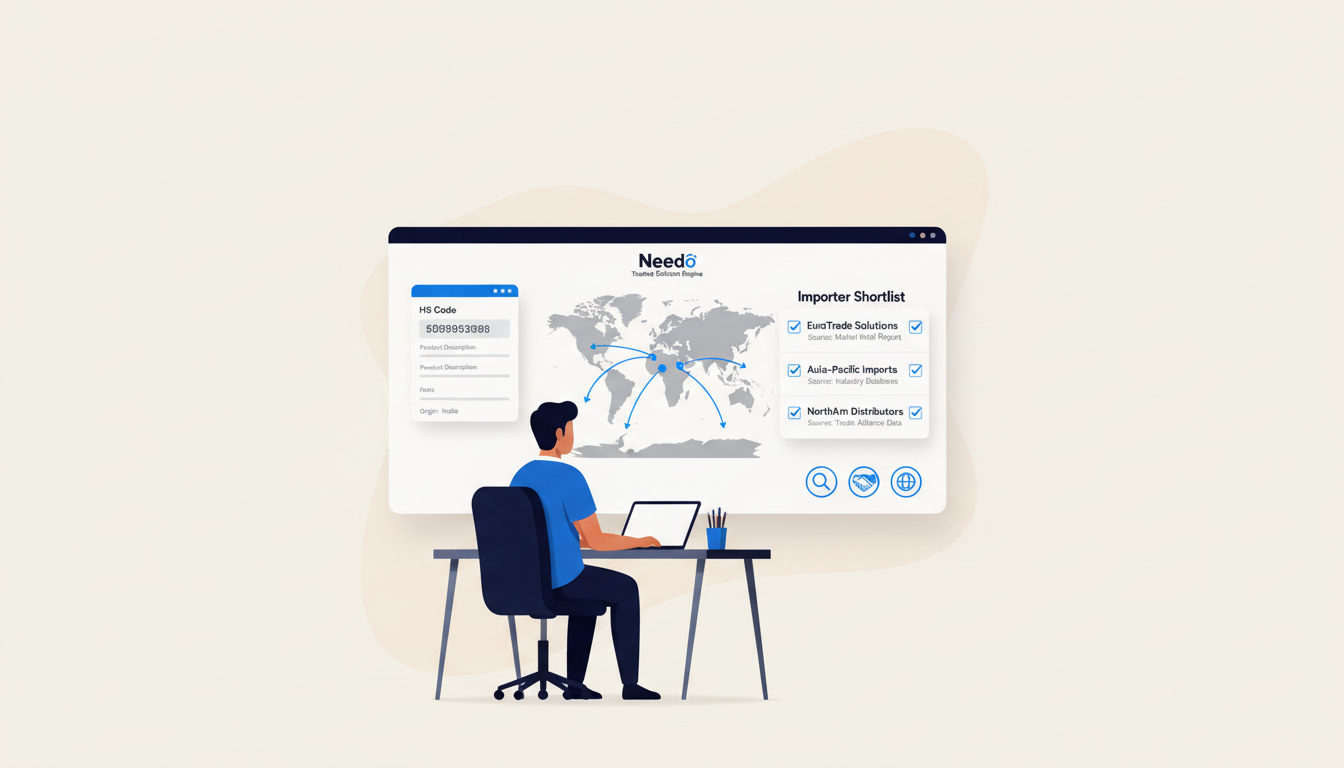
Freeze the product and route before researching
Start with a product brief that is precise enough to distinguish the item from similar goods. Record its function, materials, composition where relevant, model or grade, technical specifications, intended user, packaging and whether it is new, used, a sample, a component or a finished product. A marketing name alone is rarely enough to establish the right classification or applicable rules.
Write down the country where the goods are manufactured or originate, the country of export if different, the destination country, the intended use and the planned quantity. Also identify who will act as importer of record and whether the goods are for resale, business use, installation or personal use. These facts shape which official sources and product requirements need to be checked.
Collect these inputs
- Exact product name, model and technical specification
- Material or ingredient details and intended use
- Country of origin and shipping country
- Destination country and final use
- Quantity, value basis and planned shipment date
- Available labels, certificates, test reports and product photos
Identify the tariff classification instead of guessing
The product code used by customs can affect duty rates, import measures, statistics and the requirements that appear in a tariff database. Similar-looking products may be classified differently because their function, composition, construction or intended use differs. Do not accept a supplier's code without checking that the description actually matches your item.
Prepare a short classification file with the technical description, product literature, materials, photos and the reason you believe a code fits. Use the official tariff or trade-assistance tool for the destination where available. If multiple headings appear plausible, the product is unusual, or the financial exposure is material, ask the relevant customs authority or a qualified customs broker about a binding or otherwise authoritative classification route before relying on an estimate.
Classification checks
- Does the official description match the actual product and function?
- Do notes, exclusions or product-specific rules change the result?
- Is the code at the level required by the destination tariff?
- Has a competent source confirmed an ambiguous classification?
- Have you recorded the source and date of the check?
Check duties, taxes, origin rules and trade measures
Once the likely classification is established, check the destination's official tariff source using the correct origin country and product code. Record the applicable duty, import taxes, customs or processing fees, any quota or trade-remedy measure, and the valuation basis used by the authority. Do not copy a rate from a supplier, marketplace listing or old spreadsheet without confirming that it applies to this product, origin and date.
If you expect a preferential rate under a trade agreement, check the rules of origin and the evidence needed to claim it. A product being shipped from a country does not automatically mean it originates there or qualifies for a preference. Keep the duty-and-tax estimate separate from freight, insurance, clearance and inland delivery, then feed the confirmed assumptions into a landed-cost worksheet rather than treating the headline supplier price as the final cost.
Record the commercial assumptions
- Product code and official tariff source
- Country of origin and any preference being claimed
- Duty and import-tax rates with the date checked
- Customs value basis and costs included or excluded
- Possible quotas, additional duties or trade restrictions
- Evidence needed to support origin or preference claims
Check product-specific permissions, standards and testing
Some product categories can trigger requirements beyond ordinary customs paperwork. Depending on the item and market, the checks may involve safety, health, electrical or radio requirements, chemicals, food contact, cosmetics, medical use, batteries, environmental rules, energy performance, lab testing, registration or an import permit. The category list is a prompt for research, not a claim that every rule applies to every product.
Use the destination authority's guidance for the exact product and intended use. For example, the U.S. Customs and Border Protection guidance on importing specific goods points importers to other agencies where safety, health or energy rules may apply. The European Commission's Access2Markets tool lets users investigate goods requirements by product or code and trading route. Treat a supplier's certificate as evidence to review, not proof that the document is genuine, current or accepted by the destination regulator.
Questions to resolve before ordering
- Is an import licence, registration or prior approval required?
- Is a test, inspection or certificate needed before shipment or sale?
- Who is responsible for obtaining the approval and paying for it?
- Does the document cover the exact model, factory, standard and destination?
- Can the product be labelled and packaged correctly before dispatch?
- What happens if testing fails or an approval is delayed?
Confirm labels, origin marking and shipment documents
Check whether the destination requires country-of-origin marking, importer details, warnings, language-specific instructions, batch or serial traceability, recycling marks or other labels. Requirements can vary by product category and sales channel. Ask for a final artwork or label proof and verify it against the applicable official guidance before the supplier prints thousands of units.
Build a document list for the transaction rather than assuming one standard pack fits every shipment. Depending on the route and goods, this may include a commercial invoice, packing list, transport document, certificate of origin, permit, test report, conformity document or other product-specific evidence. The U.S. Department of Commerce's export-document guidance notes that special documents can depend on the product, transaction and destination. Confirm the actual destination requirements with the buyer, forwarder and relevant authority.
Document consistency checks
- Legal names and addresses match the agreed transaction
- Product description, model and quantities are consistent
- Origin statements are supported by the available evidence
- Labels and package marks match the approved version
- Required certificates or permits cover the actual goods
- Invoice, packing list and transport details can be reconciled
Run a practical example before approving the purchase order
Imagine you plan to import an electrical accessory from one country into another. Before approving the order, collect the product's function, voltage, components, model number, intended use and packaging. Use those facts to investigate the tariff classification, then check the destination's official duty and tax information, product-safety requirements, any testing or conformity process, origin marking and the documents expected at clearance.
Do not convert this example into a generic statement that all electrical accessories need the same approval. The correct path depends on the actual item and destination. If a required test or label is uncertain, put the order on hold long enough to obtain a reliable answer and price the time and cost into the decision. That is more useful than discovering a missing requirement after the goods have been manufactured or shipped.
Keep a simple evidence register
- Question or requirement
- Official source and URL
- Date checked and product/route covered
- Finding and confidence level
- Evidence still missing
- Owner and deadline for resolving it
Use a go/no-go checklist before placing the order
An order is ready for approval only when the material compliance questions have a clear status. Some may be confirmed; others may be assigned to the importer, buyer, supplier or specialist adviser. The important thing is to make the open items visible and ensure the contract does not assume that an unverified approval already exists.
Needo can help structure the product facts, research official sources, compare the available evidence and prepare the questions for the supplier or customs professional. It cannot guarantee customs clearance or replace an authoritative classification, permit or legal decision.
Pre-order checklist
- Product identity and destination route are specific
- Classification is supported or an authoritative check is underway
- Duties, taxes and landed-cost assumptions are recorded
- Product-specific permissions and testing are resolved or assigned
- Labels, origin marking and required documents are confirmed
- Supplier claims are separated from official evidence
- Unresolved risks have an owner, deadline and stop/go decision
Sources and further reading
- European Commission — Access2Markets My Trade Assistant
Official EU trade tool for researching goods by product or HS code and trading route, including tariffs, taxes, rules of origin and import requirements; check the exact route and date.
- U.S. Customs and Border Protection — Requirements to Import Specific Goods
U.S.-specific guidance explaining that requirements can depend on product category and other agencies, including safety, health, energy and country-of-origin marking rules.
- U.S. Department of Commerce — Special Documents
Explains that additional export documents may depend on the product, transaction and destination; confirm the requirements that apply to your own shipment.
Sources support the specific points noted above. Confirm current requirements for your product, destination and contract before committing.
Need the actual problem solved?
This guide explains the method. Needo can work from your specific requirement, compare relevant options, verify important details and help move the next step forward.
Start with your exact problem →Selling or exporting? See live buyer requirements by product · see a sample verified shortlist