NEEDО · IMPORT & EXPORT CLASSIFICATION
How to Prepare an HS Code Classification Request for a Product
An HS code search can return a plausible-looking number in seconds, but a customs classification depends on what the product actually is, how it works, what it is made from, how it is presented and which country's tariff schedule applies. A product name or supplier's suggested code is not enough when the classification affects duty, controls, licensing or a commercial commitment. This guide shows how to assemble a product-specific evidence file before asking a customs authority or qualified broker to review the classification. Needo can organize the research and expose uncertainty; it cannot issue a binding customs decision.
Start with the importing country and the decision you need
The Harmonized System is an international product nomenclature maintained by the World Customs Organization. Its international subheadings use six-digit codes, but national and regional tariff schedules can add further digits and measures. The code used for an export declaration may also differ from the code used for import clearance in a particular country. Start by naming the importing customs territory, the exporting country, the transaction date and whether you need an import code, export statistical code or a preliminary research reference.
Do not assume that a six-digit HS subheading settles every national tariff question. Singapore Customs, for example, explains that Singapore uses eight-digit codes under the ASEAN Harmonised Tariff Nomenclature, based on the WCO six-digit system. The United States also has separate import and export classification schedules. Those are jurisdiction-specific examples: use the current official schedule and procedure for the actual movement of goods.
Write the scope at the top of the file
- Importing country or customs territory and the relevant customs authority
- Exporting country, origin claim and intended route
- Date the goods are expected to be declared
- Import, export, re-export, temporary admission or another procedure
- Whether the request is for preliminary research or an official binding decision
- The exact national tariff-code level required by the transaction
Describe the product as it will be presented to customs
Use a precise commercial and technical description, not a brand slogan or a broad catalogue category. State what the item is, what it does, how it is used, whether it is finished or unfinished, and whether it is presented alone, with accessories, as a set or as part of a larger machine. Include the model, product family, part number and revision where those identifiers distinguish one configuration from another.
Describe the goods in the condition in which they will be imported or exported. A complete machine, a disassembled machine, a spare part, a kit and a retail set may raise different classification questions. Note whether the product is assembled, partially assembled, mixed with other materials, packed with complementary items or imported with software or control units. If the shipment contains several different products, do not hide them under one generic description.
Minimum product-description fields
- Commercial name, model, SKU or part number and revision
- Primary function and intended use
- How the product operates and what it does not do
- Finished, unfinished, assembled, unassembled or presented as a set
- Main components, accessories and items packed together
- Physical condition and form at the time of import or export
Document function, materials and composition
Classification research often turns on facts that a short product title omits. Record the materials and substances in the product, their composition by percentage where known, the role of each component and which part performs the principal function. For a chemical or formulated product, include the full ingredients or composition data that the authority requires, with units and a clear explanation of whether percentages are by weight, volume or another basis.
Explain the manufacturing process at a level that helps a reviewer understand how the product is made and what form it takes. Note any coating, treatment, machining, assembly, curing, filling or processing step that changes the material or function. Do not infer a classification rule from one feature alone: composition, essential function, construction and presentation may need to be considered together under the applicable tariff rules.
Evidence to collect
- Material list and composition percentages with units and source
- Function of each major component or ingredient
- Manufacturing or processing flow
- Technical ratings, operating principle and performance data
- Whether the item is a part, accessory, machine, mixture, set or composite good
- Known exclusions, limitations or alternative product configurations
Attach drawings, photographs and technical documents
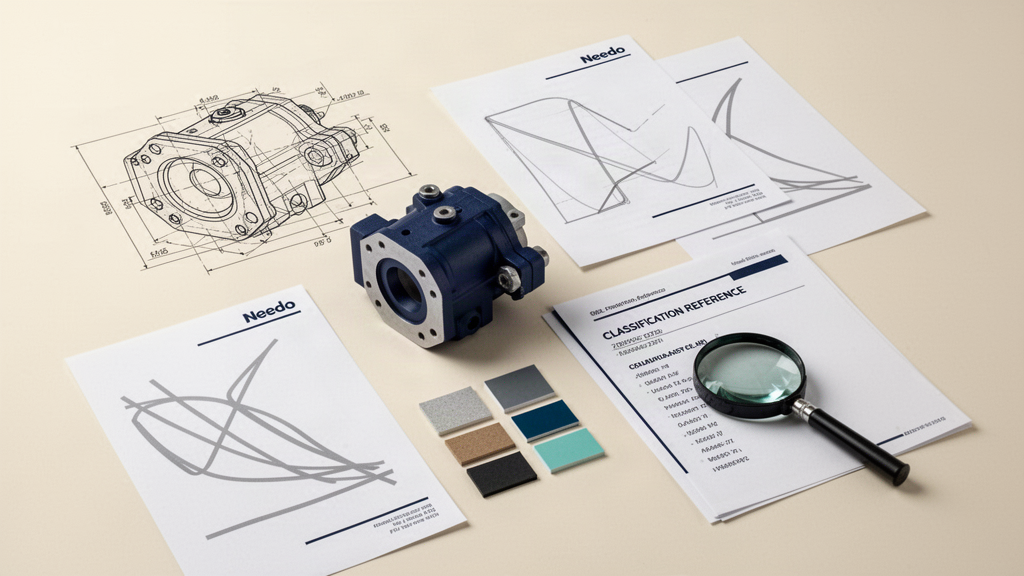
A good classification request lets a reviewer identify the exact goods without guessing. Attach the current catalogue or brochure, product specification or datasheet, technical drawings, photographs from useful angles, labels, nameplates, component diagrams and a process description. If a sample is requested or can be supplied, record which model and revision it represents. Ensure the documents refer to the same product configuration; an old brochure and a new drawing can create a false picture of the item.
Singapore Customs' published application guidance is a useful jurisdiction-specific example of the evidence a customs authority may request: a product catalogue or brochure, specification or datasheet, full ingredients or material composition, and a detailed manufacturing process. Its application is for one product at a time. Other authorities may request different forms, samples, translations or supporting evidence, so check the current instructions for the country concerned.
Document-control checklist
- File name, revision, date and issuing organization for each document
- Photographs that show the whole product, labels and relevant components
- Drawing dimensions and material callouts that match the supplied model
- Datasheet values with units and test conditions
- Composition and process documents for the exact product version
- A note identifying missing, confidential or unavailable evidence
Search the official tariff and ruling sources for the right jurisdiction
Begin with the current tariff schedule and the legal notes that apply to the importing country. Then review the customs authority's classification tools, published rulings and guidance. A search result can help you locate candidate headings, but it should not replace the schedule's wording, section and chapter notes, applicable interpretation rules or the authority's own decision process. Record the source URL, schedule edition, date checked and the precise facts that make a past ruling relevant or different.
A published ruling is useful only to the extent that the product facts and jurisdiction match. Compare the composition, function, construction, presentation, intended use and tariff version in the ruling with the product in front of you. Do not copy a code from a supplier, marketplace listing or another country's ruling simply because the product name looks similar. The WCO explains the common six-digit HS structure; national authorities determine the additional detail and the decision applicable in their territory.
A defensible research sequence
- Open the current official tariff schedule for the importing country
- Read the relevant heading text and section or chapter notes
- Search the customs authority's official ruling database
- Compare product facts, tariff edition and decision scope—not just the code
- Check whether the code level is national, regional or international
- Save the sources and date so another reviewer can reproduce the search
Know when to request an official binding classification
Seek an official ruling when reasonable research leaves competing classifications, when the duty or regulatory consequence is material, or when the importing authority offers a formal procedure that would give the business greater certainty. The correct route and legal effect vary by jurisdiction. A broker's opinion, a database search and a binding ruling are not interchangeable; confirm what the authority's decision covers, who may apply, which goods and facts it applies to, and how long it remains valid.
For example, Singapore Customs states that its classification ruling applies only in Singapore and describes a formal application process with supporting product documents. The European Commission explains that Binding Tariff Information decisions issued by EU customs authorities are generally valid for three years across the EU, subject to conditions that can cause a decision to cease to be valid or be revoked. These examples should not be generalized to other countries; follow the actual importing authority's rules.
Before submitting a ruling request
- Confirm that the applicant is eligible under the authority's procedure
- Check the current form, evidence list, sample requirements and fee
- Submit one clearly identified product or configuration where required
- Make sure the facts are complete and consistent across all attachments
- Ask how changes in product design, materials or tariff rules affect the decision
- Keep the ruling with the exact model, revision and transaction records it covers
Worked example: a multi-material pump assembly
Illustrative example: an importer is researching a compact pump assembly with a metal housing, an electric motor, an electronic control board, seals and a separate mounting bracket. A catalogue calls it an industrial pump, but the reviewer still needs to know the pump's function, operating principle, intended application, how the motor and controller are integrated, whether the bracket is presented with the unit, and what materials make up the relevant components. The product description alone does not settle the classification.
The importer prepares a parts diagram, datasheet, photographs, materials list, composition details where available, manufacturing description and the country-specific tariff schedule. The research file lists the candidate headings found in official sources, explains the unresolved differences and asks the customs authority or qualified broker which additional facts are required. No code is assigned by this example; the point is to make the request answerable rather than to guess a tariff number.
What the dossier should show
- Exact pump model and revision
- Primary function, operating principle and intended use
- Component diagram and role of motor, controller, seals and bracket
- Materials and composition evidence for relevant components
- Product condition and how the assembly is presented
- Country-specific sources, unresolved questions and requested decision
Copy-ready HS classification request checklist
Use this checklist to hand a consistent evidence pack to your customs broker, compliance owner or the relevant authority. Mark unknown fields as unknown. If a fact is not available, state who is obtaining it and whether the missing information prevents a reliable conclusion.
Classification request file
- Jurisdiction: [importing country / customs territory and procedure]
- Product: [commercial name, model, part number and revision]
- Function and intended use: [what it does and how it operates]
- Materials: [components, ingredients and percentages with units]
- Manufacturing: [process steps and treatments]
- Presentation: [assembled, unassembled, set, kit, accessory or part]
- Evidence: [catalogue, datasheet, drawing, photos, sample and labels]
- Research: [official tariff, notes, rulings, editions and dates]
- Open questions: [facts or legal interpretation that remain unresolved]
- Requested outcome: [preliminary review or formal customs ruling]
Avoid these classification mistakes
The most expensive errors often begin with a product description that is too vague or a code copied from a source that describes a different configuration. A tidy spreadsheet cannot compensate for missing technical facts. Keep the product evidence, tariff source and jurisdiction together, and make it clear when a conclusion is only preliminary research.
- Copying a supplier's or marketplace's code without checking the product facts
- Using a six-digit HS subheading as if it were the complete national tariff code
- Applying a ruling from another country or an obsolete tariff edition
- Describing a complex assembly only by its marketing name
- Ignoring composition, manufacturing, accessories or presentation as a set
- Treating an AI-generated code or duty estimate as an official customs decision
Use Needo to prepare a reviewable classification dossier
Needo can organize a product description, datasheet, drawings and material information into a structured classification brief. It can research official tariff resources and published rulings for the jurisdiction you name, compare the facts that appear similar or different, list evidence gaps and prepare questions for a customs authority or qualified broker. Ask it to show the source, tariff edition and date checked, and to keep candidate headings separate from confirmed decisions.
Needo does not issue binding tariff rulings, make customs declarations, guarantee duty rates or decide whether a licence is required. Keep the final classification with the responsible importer or exporter and the relevant authority or qualified professional. If the code affects a material payment or regulatory decision, resolve the uncertainty before committing to the transaction.
Sources and further reading
- World Customs Organization — What is the Harmonized System?
Explains the international HS nomenclature and its six-digit subheading structure; national schedules may add further detail.
- Singapore Customs — Find My Harmonised System Code
Updated 24 February 2026; describes Singapore's eight-digit tariff structure, official product-code checker and ruling database.
- Singapore Customs — Application for Customs Ruling on Classification of Goods
Updated 18 August 2026; gives Singapore-specific application evidence requirements and states that the ruling applies only within Singapore.
- European Commission — European Binding Tariff Information
Explains the EU's Binding Tariff Information system, general three-year validity and the public EBTI database; this is an EU-specific legal process.
- U.S. International Trade Administration — Harmonized System Codes
Explains the U.S. import HTS and export Schedule B distinction and why national code extensions must be checked for the actual transaction.
Sources support the specific points noted above. Confirm current requirements for your product, destination and contract before committing.
Need the actual problem solved?
This guide explains the method. Needo can work from your specific requirement, compare relevant options, verify important details and help move the next step forward.
Start with your exact problem →Selling or exporting? See live buyer requirements by product · see a sample verified shortlist